Why Choose Bagasse Products?
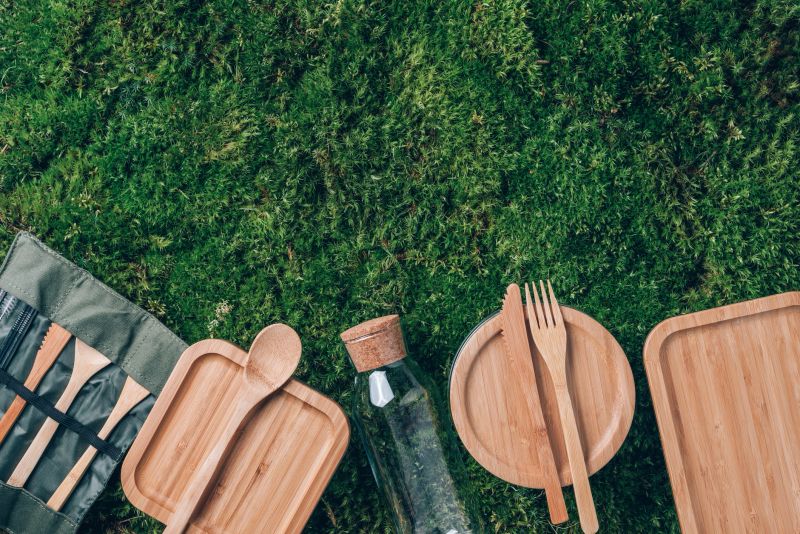
Fabric bags, glass jars, metal straws, bamboo cutlery on green grass, moss background. Eco friendly and reuse concept. Top view. Sustainable lifestyle. Zero waste, plastic free concept. Picnic.
Sustainable Sourcing

Made from the fibrous remains of sugarcane, bagasse is a renewable resource that helps reduce waste.

Group of diverse friends enjoying a delicious meal together in the backyard of a sustainable home, featuring solar panels on the roof
Health-Conscious Option

Free from harmful chemicals found in plastic, bagasse products are safe for both your family and the environment.
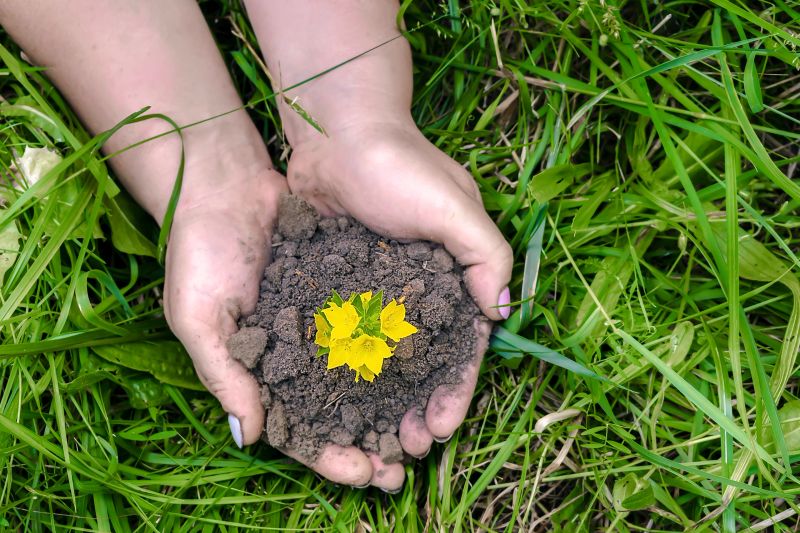
Womans hands holding green yellow plant sprout with soil, ground on grass nature background. Eco friendly, organic, ecology, zero waste concept. top view.
Compostable and Biodegradable

Unlike plastic, bagasse products decompose naturally, returning nutrients to the soil and minimizing landfill contributions.

Couple of young generation Z friends in downtown New York enjoying a day together.
Versatile Use

Perfect for everyday items, bagasse products serve a variety of purposes from tableware to packaging, ensuring eco-friendly solutions everywhere.
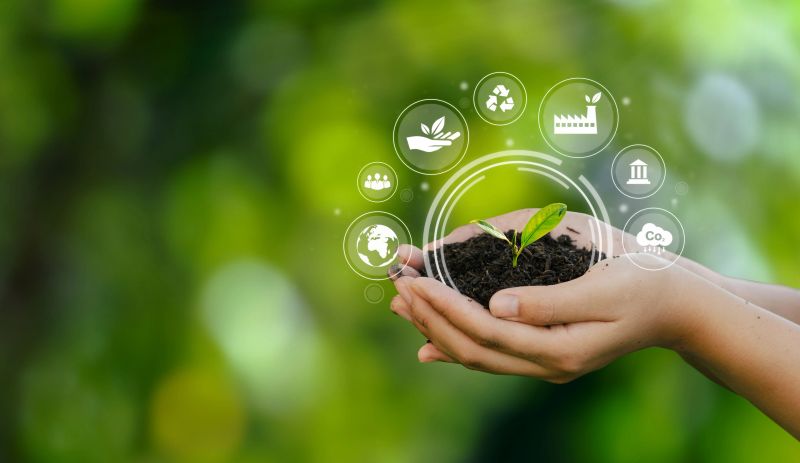
human hand holding green environmental tree ESG icon Society and Governance sustainable environmental concept of the world
Eco-Friendly Manufacturing

Created using low-energy processes, bagasse manufacturing minimizes the carbon footprint while supporting sustainable practices.

The Environmental Benefits of Bagasse Over Plastic

Bagasse is a remarkable byproduct of the sugarcane industry, representing a sustainable alternative to plastic. When considering environmental impact, bagasse stands out with its carbon-neutral properties, meaning that the carbon dioxide absorbed by sugarcane during its growth process offsets emissions during its decomposition. Unlike plastic, which can take hundreds of years to break down and often contributes to landfill overflow, bagasse products decompose naturally within a few months. This not only reduces waste but also minimizes soil and water pollution, keeping our ecosystems healthy and thriving.
In stark contrast, plastic is derived from non-renewable fossil fuels and contributes to substantial environmental degradation throughout its lifecycle. Plastic products not only consume significant energy during production but also release hazardous chemicals that can leach into soil and waterways. Furthermore, the massive accumulation of plastic waste in our oceans poses a dire threat to marine life. By choosing bagasse, you are opting for biodegradable household items that corrode into harmless substances, fostering a healthy planet for future generations. Join us in making the eco-friendly switch and supporting sustainable living solutions.

Bagasse vs Plastic: Key Differences

Bagasse products are made from the waste of sugarcane, providing a renewable alternative to plastic. They are biodegradable, reducing landfill waste, while plastic contributes to long-lasting pollution. Choose bagasse for a healthier home. Unlike plastic, bagasse is free from harmful chemicals, offering safety for your family and the planet. Make the sustainable choice today!


Female entrepreneur working at a table with packaged products in eco-friendly cardboard boxes. Small business lifestyle concept
Clay products in pottery studio with no people

Why Choose Bagasse Products for a Sustainable Future?

Bagasse, the fibrous residue left after sugarcane extraction, is a natural, renewable resource that transforms waste into eco-friendly solutions. By opting for bagasse products over conventional plastics, you not only play a vital role in reducing environmental pollution but also embrace a healthier lifestyle. Bagasse items are biodegradable, compostable, and free from harmful chemicals, making them the perfect choice for eco-conscious consumers.